
Newborn Advanced Life Support (2025)

NALS - Prelearning
Newborn Advanced Life Support
Newborn Advanced Life Support
The following module explores the guidelines for resuscitation of the newborn and has been developed to prepare you for the face to face workshop.
Key skills that will covered in the workshop include:
-
NALS algorithm
-
Newborn Airway management and Bag/Mask Ventilation
-
Set up and use of the Neopuff Ventilator
-
Newborn Cardiac compressions
-
Umbilical Vein Access
-
Advanced life Support medications
It is our hope that you the prelearning and workshop will help to build your confidence and skills to recognise and respond to a newborn requiring resuscitation.
NALS 2025 copy 1

B-CET: CRASH + NALS Workshop
Critical Care - Resuscitation - Advanced Life Support - Newborn ALS
Welcome to the B-CET CRASH + NALS eLearning
The course is delivered using a combination of online learning of core material with a hand's on skills / simulation workshop. The course covers a broad range of resuscitation skills and knowledge required for the management of the critically ill patient and resuscitation of the newborn.
Course Learning Objectives
At the completion of the CRASH course, participants will be able to demonstrate competency in the application of critical thinking and procedural skills to :
1. Structured assessment of the critically ill or deteriorating patient
2. Recognition and emergency management of immediate life threats to the airway, breathing, circulation and central nervous system
3. Basic and Advanced Life Support in the patient in cardiac arrest
4. Participation and clinical leadership of the resuscitation team
5. Initiate of resuscitation of the newborn
RESP - High Risk Emergencies 24

RESP : High Risk Emergencies Program
Serious Disease in Emergency Patients : Red Flags, Investigations and Management
Course Reviewed : January 2023
The course will be suitable for the professional development of GPs, Rural Practitioners, ED Registrars, Training MOs and Medical staff working in Emergency Medical settings
The RESP-High Risk Emergency Program has been developed to provide CPD in the recognition, workup and management of emergency presentations associated with the risk for serious / life threatening illness. While the "RESP-Critical Care" and "RESP-Paediatric" workshop programs focus on the assessment and management of Triage Category One patients, this course examines the patients generally triaged as category two or three (or even sometimes category four) where serious disease needs to be considered. The course explores the "red flags" associated with a specific presentation that indicate an increased risk for serious disease and discusses the workup and emergency management of these patients. The program aims to increase confidence in identifying adults where serious disease is a major consideration and initiate emergency management in these patients.
The course is divided into 8 modules that cover the following topics :
-
Critical Thinking in High Risk Emergencies
-
Acute Chest Pain
-
Acute Headache
-
Fever/Sepsis
-
Acute Abdominal Pain
-
Severe Dyspnoea
-
Syncope/Collapse
-
Severe Agitation
The course is delivered using a series of case based video podcasts, interactive case simulations and clinical management summaries. Completion of a graded quiz enables the learner to assess their understanding and mastery of an individual topic. Written summaries and selected readings allow learners to review and explore a topic in greater detail.
The course may be completed over 8 weeks with an average of 2 hours / week but can be easily completed in a shorter or longer time frame according to the individual learner's schedule. Enrolment is for a period of 24 months.
Accreditation 2023-2025
ACRRM
Course Code : 28586
Points Allocation : To be advised
RACGP
Course Code : 394305
Points Allocation : 9.5 Educational Activity & 7 Reviewing Performance
Instructions : Course Enrolment
Use the "Send via PayPal" button below to pay by Credit Card (or using a paypal account)
-
Course Fee : Aus $250.00 (Aus) + $25.00 (GST) = $275.00
|
|
Secure Online Payments using Credit Card You may pay using your Credit Card or via a Paypal account. All payments are processed through the Paypal Gateway to provide maximum security to credit card payments. |

Refund Policy : We guarantee the quality of our on-line courses however if the course does not meet your expectations you may receive a refund within 14 days of enrolling in the course providing you have not viewed or submitted any of the course quizzes. The pre-course quiz is exempted as this is completed before you can view the course.
If you have any problems or require more information : Contact LearnEM Support
POCUS (2): Lung, Heart, Vascular (2024)

POCUS (2): Lung, Cardiac, Vascular
RUSH Protocol, Inferior Vena Cava, Basic Echocardiography, Lung Ultrasound, Vascular Access
Please note there is a new version of the course.
The course is an accredited learning activity for 8.5 hours for medical and nursing continuing professional development.For GPs the course is an accredited CPD activity for the 2023-2025 triennium with ACRRM (Course Code : 34038) and RACGP (Course Code : 926731 : 2.5 Educational Activity and 6 Reviewing Performance Hours).
Latest Course Update: June 2024
The use of Point of Care Ultrasound (POCUS) to image the lungs, the heart and the inferior vena cava is an extremely useful skill for the assessment of patients with major trauma, circulatory shock and severe respiratory distress. In addition it is proving to be an essential aid in managing severe sepsis guiding clinicians in their decisions with respect to fluid resuscitation and use of vasopressors and has provided a useful tool for obtaining peripheral vascular access in difficult circumstances and reduced the risk and complications associated with the placement of central venous catheters. This is a very exciting area of advancing medical practice and one that will continue to evolve in coming years as the technology advances and research provides us with greater understanding.
In this course we explore the following topics:
1. RUSH Protocol : Ultrasound of the Inferior Vena Cava (IVC)
2. Basic Echocardiography: PLAX Apical and Subcostal Views
3. Lung Ultrasound
4. Introduction to Doppler Ultrasound
5. Ultrasound Guided (Advanced) Vascular Access
POCUS (1): Aorta, FAST, eFAST, First Trimester, Procedures

POCUS (1): Abdomen, Pelvis, Trauma
Aortic Aneurysm, FAST / eFAST, First Trimester, Ultrasound for Clinical Procedures
Please note there is a new version of the course.
The course is an accredited learning activity for medical and nursing continuing professional development. For GPs the course is an accredited CPD activity for the 2023-2025 triennium with ACRRM (Course Code : 34036) and RACGP (Course Code : 926520: 2.5 Educational Activity and 5.5 Reviewing Performance Hours).
Welcome to the Course
Latest Course Update: June 2024
The use of Point of Care Ultrasound (POCUS) to image the abdomen and pelvis is an extremely useful skill for the assessment of patients with suspected aortic aneurysm, major trauma and first trimester bleeding. In addition POCUS may be used to image the lungs in the trauma patient to identify haemothorax and pneumothorax and has provided a useful tool for a wide range of clinical procedures. This is a very exciting area of advancing medical practice and one that will continue to evolve in coming years as the technology advances and research provides us with greater understanding.
In this course we explore the following topics:
1. Ultrasound of the Aorta
2. Trauma: FAST and eFAST
3. First Trimester
4. Ultrasound assisted Procedures
Ultrasound 101: Physics and Knobology for POCUS

Ultrasound 101: Foundation Course for POCUS
Introduction to the Ultrasound Physics and Knobology
Latest Course Update: June 2024
The Ultrasound 101 course explores the physics, core knowledge for setting up and using the ultrasound machine and probes.
The course covers the following key areas
-
Introduction to the Physics of Ultrasound
-
Set up of the machine
-
Optimisation of the ultrasound images
-
Selection and placement of probes
Instructions : Course Enrolment
This is an Open access course. You may access this course at no cost. Please note you will need to log into your LearnEM account to enrol in the this course. If you do not have an account you many create one (free) using the following link.
CPD Certificate
At completion of the course you may obtain a Course Certificate recognising 3 hours of CPD.
If you have any problems or require more information : Contact LearnEM Support
Orthopaedic Injury: Diagnosis and Management (24)
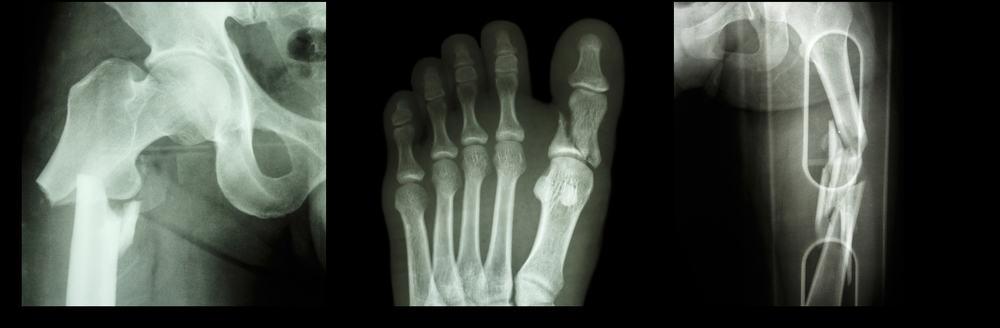
Orthopaedic Injury: Diagnosis and Management
Clinical and Radiological Assessment, Management of Limb injury, Orthopaedic Splinting
Please note there is a new version of the course.
The course is an accredited learning activity for 9 hours for medical and nursing continuing professional development.
For GPs the course is an accredited CPD activity for the 2023-2025 triennium with ACRRM (Course Code: 33289: 4 Educational Activity and 5 Reviewing Performance Hours) and RACGP (Course Code: 834811: 4 Educational Activity and 5 Reviewing Performance Hours).
Acute Orthopaedic injury is a common emergency presentation and occurs across all age groups with injuries ranging from minor through to limb or even life threatening. In this first course we explore the clinical and radiological assessment of the patient with orthopaedic injury, review the presentation, diagnosis and treatment of a range of upper and lower limb soft tissue soft tissues injuries, fracturesand joint dislocations. We complete the topic by examining the procedure for applying a plaster cast to splint injuries.
The topic is divided into the the following key areas :
-
Assessment of Limb Injury
-
Upper Limb Injuries
-
Lower Limb Injuries
-
Joint Dislocations
-
Splinting Limb Injuries
ABCDs of Eye Emergencies (24)

Eye Emergencies: Assessment and Management
Clinical Examination, Red Flags, Acute Red Eye, Eye Injury, Acute Visual Disturbance, Medications
Please note there is a new version of the course.
The course is an accredited learning activity for 8 hours for medical and nursing continuing professional development.
For GPs the course is an accredited CPD activity for the 2023-2025 triennium with ACRRM (Course Code: 33246: 2 Educational Activity and 6 Reviewing Performance Hours) and RACGP (Course Code: 827413: 2 Educational Activity and 6 Reviewing Performance Hours).
Whether you work in general practice or the emergency department eye emergencies are a common acute presentation. The causes may vary from minor eye irritation through to severe eye threatening disease or injury. Common presenting symptoms include visual impairment, ocular pain or discomfort, red eye, double vision or discharge. Fortunately most patients present with disease of injuries that are unlikely to seriously threaten vision. However there are a number of extremely serious eye conditions that if not recognised and treated early will lead to permanent serious impaired vision or blindness - it is these that we will focus on this course.
The course is divided into the the following topic areas :
-
1. Eye Examination and Red Flags for serious disease
-
2. Differential diagnosis and treatment of conditions presenting with red eye
-
3. Assessment and Management of Eye Injury
-
4. Differential diagnosis and management of Acute Visual Disturbance
-
5. Pharmacology of eye medications
Cardiac Arrhythmias: Diagnosis and Emergency Management 2024

Cardiac Arrhythmias
Clinical Assessment, ECG Diagnosis and Emergency Management
Please note there is a new version of the course.
The course is an accredited learning activity for 10 hours for medical and nursing continuing professional development.
For GPs the course is an accredited CPD activity for the 2023-2025 triennium with ACRRM (Course Code: 32663: 2.5 Educational Activity and 7.5 Reviewing Performance Hours) and RACGP (Course Code: 776888: 2.5 Educational Activity and 7.5 Reviewing Performance Hours).
Latest Update: January 2024
There can be no doubt that in the minds of many clinicians rhythm diagnosis is the most challenging aspect to ECG interpretation. Add to this the recognition that some rhythms may lead to severe circulatory compromise or if not treated early may lead to cardiac arrest and the pressure is on for a rapid diagnosis of the ECG rhythm !
This course begins by exploring the clinical approach and ECG diagnosis of the patient presenting with an arrhythmia. The first module describes the core principles that provide the foundation for understanding how the ECG "maps" the origin and movement of depolarisation through the heart facilitating the diagnosis of arrhythmias. Immediate treatment priorities in the patient with cardiac arrhythmia are considered together with the clinical features of (life threatening) vital organ hypoperfusion.
In the subsequent modules we explore each of the four major patterns of cardiac arryhthmia: Narrow complex tachycardia, Broad complex tachycardia, Irregular tachycardia and Severe bradycardia. For each pattern we consider the differential diagnosis and identify the "red flag" arrhythmias associated with a high risk for rapid deterioration / cardiac arrest. Using a series of case simulations the diagnosis and emergency management of the Supraventriclar tachycardia (SVT), Rapid Atrial fibrillation (AF), Ventricular Tachycardia (VT) and Complete heart Block (CHB) are discussed in detail.
Topics covered in the course include:
-
1. Clinical Approach to the Patient with Arrhythmia
-
2. Understanding Depolarisation and the ECG Waveform
-
3. Classification of Rhythms and Differential Diagnosis
-
4. Recognition of "Red Flag" arrhythmias at high risk for rapid / sudden deterioration
-
5. Pharmacological and Electrical Management
-
6. Diagnosis and Emergency Management of SVT, VT, AF and CHB
Bedside Blood Gas Interpretation (24)

Mastering Blood Gases
Basic Principles, Single Acid-Base Disorders, Clues to Mixed Acid Base Disorders, Differential Diagnosis
Please note there is a new version of the course.
The course is an accredited learning activity for 7.5 hours for medical and nursing continuing professional development.
For GPs the course is an accredited CPD activity for the 2023-2025 triennium with ACRRM (Course Code : 32341: 1.5 Educational Activity and 6 Reviewing Performance Hours) and RACGP (Course Code : 756463: 1.5 Educational Activity and 6 Reviewing Performance Hours).
Latest Course update: January 2024
Interpreting blood gases is a tricky business. In this course, we will put aside the complex physiology and focus on the clinical approach to blood gases. During the course, we discover a few simple rules that assist with the bedside interpretation of acid base disorders. The rules guide us to recognising the presence of an acid base disorder, naming the acid base disturbance(s) and providing a differential diagnosis for the disorder.
The course differs from others on the LearnEM website. It is a "mastery course" and is delivered in a series steps. At each step there is a short video that explains a concept followed by a series of case examples provided in the form of (quiz) questions. The aim at each stage is to become confident (i.e. achieve mastery) of the concept before moving to the next step in the course. Each quiz provides you with the opportunity to practice a specific skill essential for blood gas interpretation and it is through this repeated practice and mastery of the process that you will become a "Grand Master" in the art of blood gas interpretation.
Outline of the course
1. Basic Principles
2. Blood Gas Patterns in Acid Base Disorders
3. The Body Fights Back: Compensation in Acid Base Disorders
4. Respiratory Compensation in Metabolic Disorders
5. Renal Compensation in Respiratory Acid Base Disorders
6. Toward the Climax of the Blood Gas Drama
7. Respiratory Acidosis – Acute, Chronic, or Mixed Disorder?
8. Differential Diagnosis of Acid Base Disorders
9. The Ultimate Acid Base Experience!
Responding to the Deteriorating Patient (24)

Deteriorating Patient
Recognising and Responding to the Deteriorating Patient
Please note there is a new version of the course.
The course is an accredited learning activity for 7.5 hours for medical and nursing continuing professional development.
For GPs the course is an accredited CPD activity for the 2023-2025 triennium with ACRRM (Course Code: 32894: 2.5 Educational Activity and 5 Reviewing Performance Hours) and RACGP (Course Code: 799960: 2.5 Educational Activity and 5 Reviewing Performance Hours).
Latest Course update : January 2024
Designed for medical officers, nurses, paramedics and students in all medical fields.
How we approach the assessment and management of the patient with deterioration may significantly determine their chances of survival, risk for complications and long term disability. In this topic we look at the clinical findings that signal clinical deterioration and developing threats to the life of the individual and then explore the critical thinking required to assess and intervene in these patients.
This course explores the following topics :
-
1. Systems for recognising clinical deterioration
-
2. Communication and handover of clinical Information
-
3. Procedure for assessing the patient with deterioration
-
4. Recognising immediate threats to the airway, breathing, circulation and CNS
-
5. Resuscitation of the deteriorating patient with life threatening illness
-
6. The role of critical thinking in diagnosis of the deteriorating patient
Assessment and Management of Acute Pain (24)

Assessment and Management of Acute Pain
Clinical approach, Basic principles, Pharmacology, Discharge, Procedures
Course Accreditation
Please note there is a new version of the course.
The course is an accredited learning activity for 6 hours for medical and nursing continuing professional development.
For GPs the course is an accredited CPD activity for the 2023-2025 triennium with ACRRM (Course Code : 32588: 2 Educational Activity and 4 Reviewing Performance Hours) and RACGP (Course Code : 773566: 2 Educational Activity and 4 Reviewing Performance Hours).
Latest Course update: January 2024
Designed for medical officers, nurses, paramedics and students in all medical fields.
Although the relief of acute pain is the most common reason that patients seek emergency care research studies have documented that acute pain is frequently poorly managed in the ED setting. There is often a complete failure to provide any form of analgesia in a timely manner and even when analgesia is provided it is often ineffective due to either poor drug selection, inappropriate route of administration or inadequate dosing. This phenomenon is so significant that it has been given its own name – “Oligoanalgesia”. In the following modules we explore the principles for assessing and treating acute pain and will find that in most cases it does not require a significant amount of our time but only a thoughtful and informed approach to providing pain relief.
The course will specifically review:
1. Clinical approach to acute pain: Basic principles
2. Pharmacological approaches to severe pain
3. Oral analgesics
4. Analgesia for procedures
RESP24 High Risk Emergencies

RESP : High Risk Emergencies Program
Serious Disease in Emergency Patients : Red Flags, Investigations and Management
Please note there is a new version of the course.
The course is an accredited learning activity for 16.5 hours for medical and nursing continuing professional development.
For GPs the course is an accredited CPD activity for the 2023-2025 triennium with ACRRM (Course Code: 32293: 16.5 Educational Activity Hours and 6 Emergency Medicine MOPS Hours) and RACGP (Course Code : 394305: 9.5 Educational Activity and 7 Reviewing Performance Hours).
Course Reviewed : January 2024
The course will be suitable for the professional development of GPs, Rural Practitioners, ED Registrars, Training MOs and Medical staff working in Emergency Medical settings
The RESP-High Risk Emergency Program has been developed to provide CPD in the recognition, workup and management of emergency presentations associated with the risk for serious / life threatening illness. While the "RESP-Critical Care" and "RESP-Paediatric" workshop programs focus on the assessment and management of Triage Category One patients, this course examines the patients generally triaged as category two or three (or even sometimes category four) where serious disease needs to be considered. The course explores the "red flags" associated with a specific presentation that indicate an increased risk for serious disease and discusses the workup and emergency management of these patients. The program aims to increase confidence in identifying adults where serious disease is a major consideration and initiate emergency management in these patients.
The course is divided into 8 modules that cover the following topics :
-
Critical Thinking in High Risk Emergencies
-
Acute Chest Pain
-
Acute Headache
-
Fever/Sepsis
-
Acute Abdominal Pain
-
Severe Dyspnoea
-
Syncope/Collapse
-
Severe Agitation
Procedural Sedation and Analgesia (24)
Procedural Sedation and Analgesia
Core Principles and Pharmacological Options
Please note there is a new version of the course.
The course is an accredited learning activity for 6.5 hours for medical and nursing continuing professional development.
For GPs the course is an accredited CPD activity for the 2023-2025 triennium with ACRRM (Course Code : 29363 : 3.5 Educational Activity and 3 Reviewing Performance Hours) and RACGP (Course Code : 441469: 3.5 Educational Activity and 3 Reviewing Performance Hours).
Latest Course update : January 2024
This course is suited to Medical, Nursing and Paramedic staff wishing to upskill in Procedural Sedation
Procedural Sedation describes the administration of drugs in a controlled setting to reduce pain and / or awareness. In the emergency department it is used for a wide variety of procedures including laceration repair, reduction and immobilisation of fractures or dislocations, incision and drainage procedures, wound exploration and removal of foreign bodies from the eye, ear, nose and skin. Procedural sedation is most often used in healthy adults and children (> 3 months) and those with mild well-controlled systemic disease (eg asthma).
The sedative agents most commonly used for procedural sedation are Midazolam +/- Fentanyl, Propofol, Ketamine and Ketofol. This course examines the indications, contraindications for procedural sedation, assessment, monitoring and after care of the patient undergoing procedural sedation and examine in detail the common drugs used for procedural sedation.
This course explores the following topics :
-
1. Parenteral Procedural Sedation : Core Principles
-
2. Intravenous Sedation using Midazolam / Fentanyl
-
3. Intravenous Sedation using Propofol
-
4. Parenteral Sedation using Ketamine
-
5. Intranasal Sedation using Midazolam, Fentanyl, Ketamine
-
6. Intravenous Regional Anaesthesia - Bier Block
Mechanical Ventilation in Emergency Medicine 24
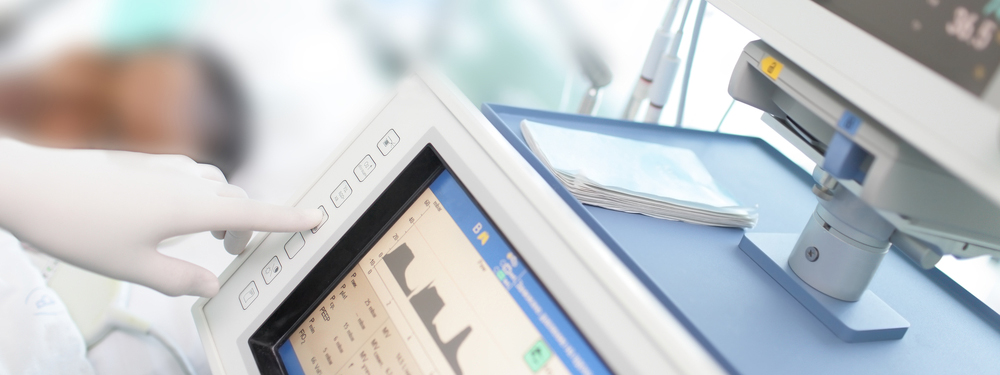
Ventilation in Emergency Care
Mechanical ventilation: Basic principles, Ventilator modes/settings, Oxylog & Hamilton Ventilators
Please note there is a new version of the course.
The course is an accredited learning activity for 6 hours for medical and nursing continuing professional development.
For GPs the course is an accredited CPD activity for the 2023-2025 triennium with ACRRM (Course Code : 29166: 3.5 Educational Activity and 2.5 Reviewing Performance Hours) and RACGP (Course Code : 417705: 3.5 Educational Activity and 2.5 Reviewing Performance Hours).
Latest Course update: January 2024
This course is suitable for Medical Officers, Nurses, Paramedics and Students
Mechanical ventilation is one of the central skills in critical care medicine. In the emergency patient it is most often used to improve oxygenation and ventilation in the patient with acute respiratory failure, altered conscious state and to treat acute raised intracranial pressure. Ventilation may be required to treat life-threatening presentations of COAD, heart failure, pneumonia, sepsis, trauma, intracerebral haemorrhage and overdose. An understanding of the indications, complications, practical aspects of mechanical ventilation and respiratory failure is essential in emergency medicine.
 The course explores the following topics:
1. Ventilation: Airway Management
2. Ventilator Mode and Settings
3. Ventilation: Application to Clinical Practice
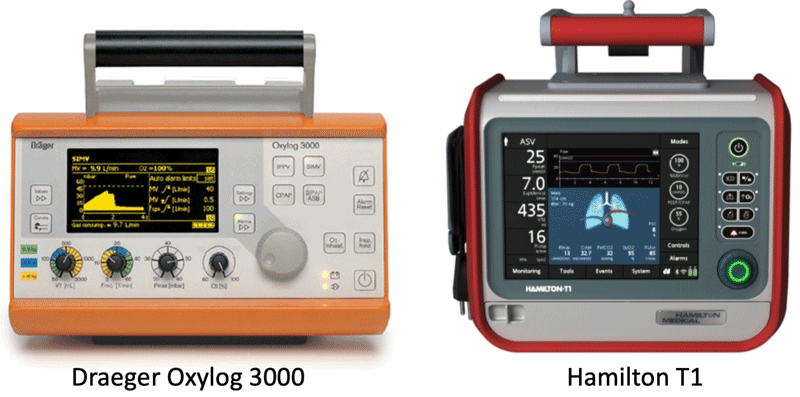
4. Setting up the Draeger Oxylog 3000 and Hamilton T1 Ventilators for Mechanical ventilation
Nb In this course you are able to select to learn about either the Draeger Oxylog 3000 or the Hamilton T1 (or both if you are really keen) to allow for you to align the learning to the ventilator you use in you clinical practice.
Noninvasive Ventilation and HFNP Oxygen in Clinical Care (24)

Noninvasive Ventilation and HFNP Oxygen in Clinical Care
Non-Invasive Ventilation (CPAP/BiPAP) and Humidified High Flow Nasal Prong Oxygen
Please note there is a new version of the course.
The course is an accredited learning activity for 6.5 hours for medical and nursing continuing professional development.
For GPs the course is an accredited CPD activity for the 2023-2025 triennium with ACRRM (Course Code : 29043: 3.5 Educational Activity and 3 Reviewing Performance Hours) and RACGP (Course Code : 410696: 3.5 Educational Activity and 3 Reviewing Performance Hours).
Latest Course update: January 2024
Designed for medical officers, nurses, paramedics and students in all medical fields.
Ventilation plays an increasing role in the management of seriously ill patients in the emergency department. Traditionally, ventilation has been limited to the delivery of positive pressure ventilation in the unconscious, intubated (often paralysed) patient. This is generally referred to as "assisted" or "mechanical" ventilation. In recent years, the use of noninvasive ventilation has become widespread due to research that has demonstrated the benefit of CPAP and BiPAP in patients with chronic obstructive pulmonary disease (COPD) and acute pulmonary oedema, two of the most common causes for life-threatening presentations due to acute respiratory distress to the emergency department.
Another method of Noninvasive respiratory support, Humidified High Flow Nasal prong Oxygen (HFNP) is being increasingly used in the management of adults with severe respiratory distress and hypoxia. With a primary role as a bridge between low flow oxygen therapy (e.g., nasal specs at 2 l/min) and CPAP it may be often considered in patients with hypoxia receiving high flow oxygen mask therapy and in patients with severe respiratory distress requiring non-invasive ventilation. In this topic we will explore the evolving role of HFNP oxygen in clinical practice and distinguish which patients may be suitable for HFNP therapy and those in whom BIPAP should be used.
The course explores the following topics:
1. Noninvasive Ventilation: Basic principles
2. Using CPAP in Acute Pulmonary Oedema
3. Using BiPAP in Chronic Obstructive Pulmonary Disease
4. Humidified High Flow Nasal Prong Oxygen in Clinical Practice
Optional Module: Setting up the Oxylog ventilator for Noninvasive Ventilation
Emergency Airway Management in Critically Ill Patient (24)

Advanced Airway in Emergency Care
Assessment and Management of the Airway in the Emergency Patient
Please note there is a new version of the course.
The course is an accredited learning activity for 6 hours for medical and nursing continuing professional development.
For GPs the course is an accredited CPD activity for the 2023-2025 triennium with ACRRM (Course Code : 29006 : 3.5 Educational Activity and 2.5 Reviewing Performance Hours) and RACGP (Course Code : 409655: 3.5 Educational Activity and 2.5 Reviewing Performance Hours).
Latest Course update: January 2024
Designed for medical officers, nurses, paramedics and students in all medical fields.
The airway is the first priority in the assessment and management of the seriously ill or injured patient. What happens in the first minutes of a resuscitation may significantly determine a patient's chances of survival, risk for complications and long term disability. In this topic we examine the procedure and techniques for treating airway obstruction and explore the procedure for providing definitive airway management using the technique of rapid sequence intubation.
The course explores the following topics:
1. Core principles in the assessment and management of the emergency airway
2. Preparing for definitive airway management
3. Pharmacology of the agents required in rapid sequence intubation
4. Rapid sequence intubation – procedure and complications
ABCDs of Acute Behavioural Emergencies (24)

ABCDs of Acute Behavioural Emergencies
Assessment, Principles of Management, Legal issues, Medical Clearance, Pharmacology of Sedative Agents
Please note there is a new version of the course.
The course is an accredited learning activity for 6 hours for medical and nursing continuing professional development.
For GPs the course is an accredited CPD activity for the 2023-2025 triennium with ACRRM (Course Code : 28789 : 3.5 Educational Activity and 2.5 Reviewing Performance Hours) and RACGP (Course Code : 404226: 3.5 Educational Activity and 2.5 Reviewing Performance Hours).
Latest Course update: January 2024
Designed for medical officers, nurses, paramedics and students in all medical fields.
Behavioural emergencies are complex and misleading. The cause of acute behavioural disturbance may be as simple as “a bottle of vodka” or as sinister as meningitis. The differential diagnosis is incredibly broad and these patients require careful assessment of both their physical and mental health. The immediate priority in the emergency management of these patients is on reducing risk (to the patient and others) and screening for immediately treatable medical causes such as head injury, hypoglycaemia, infection, drug intoxication or withdrawal. The course explores the immediate approach to the care of the patient with acute behavioural disturbance and the procedure and pharmacological options for managing severe agitation. A CPD Certificate is provided with successful completion of the course for 6 CPD hours
The course is divided into the following four sections :
1. Immediate management priorities : The "ABCD" Approach to the Patient with Behavioural Disturbance
2. Medical Causes for Behavioural Disturbance and Legal Issues in relation to Involuntary Detention
3. Procedure and Pharmacological Management of the Severely Agitated Patient
4. Pharmacology of the commonly used Sedative Agents
Assessment and Management of Obstetric Emergencies (24)

Emergency Obstetrics
Miscarriage, Ectopic, APH, PPROM, Eclampsia, Emergency delivery, PPH, Newborn Resuscitation
Please note there is a new version of the course.
The course is an accredited learning activity for 6.5 hours for medical and nursing continuing professional development.
For GPs the course is an accredited CPD activity for the 2023-2025 triennium with ACRRM (Course Code : 28923: 3.5 Educational Hours & 3 Performance Review PDP Hours + 6 Obstetrics and Gynaecology MOPS points) and RACGP (Course Code : 408392: 3.5 Educational Activity and 3 Reviewing Performance Hours).
Latest Course update : January 2024
The course is suitable for medical officers, nurses, paramedics or students including those with limited obstetric knowledge. A Certificate for 6.5 CPD hours is provided with completion of the course.
The course explores many of the life threatening (and frightening) obstetric emergencies that may present to the emergency department and require immediate management. Topics include emergency delivery, obstetric complications in early and late pregnancy and the post natal period and resuscitation of the neonate.
Course Outline :
-
1. Emergencies in Early Pregnancy
-
2. ED Assessment and Management of Pre-Eclampsia / Eclampsia
-
3. Assessment and Management PV Bleeding in Late Pregnancy
-
4. Managing Delivery in the Emergency Department
-
5. Managing the Patient with Post Partum Haemorhage
-
6. Newborn Resuscitation
ABCDs of the Critically Ill Child (24)

ABCDs of the Critically Ill Child
Assessment and Treatment of the Child with Life-Threatening Illness
Please note there is a new version of the course.
The course is an accredited learning activity for 8 hours for medical and nursing continuing professional development.
For GPs the course is an accredited CPD activity for the 2023-2025 triennium with ACRRM (Course Code : 28585: 7 Educational Activity and 9 Reviewing Performance Hours) and RACGP (Course Code : 394758: 3.5 Educational Activity and 4.5 Reviewing Performance Hours).
Latest Course update: January 2024
Designed for medical officers, nurses, paramedics and students in all medical fields.
Managing the seriously ill child can be one of the most frightening and distressing experiences for the clinician. There are many challenges to assessing and treating the child presenting with serious illness, including recognising the early signs of serious illness, lack of a detailed history and examination, issues relating to patient cooperation, procedural difficulties (eg. obtaining IV access), and physiological challenges (eg. masking of signs of severe illness and risk for rapid deterioration). In this course, we explore the immediate assessment and treatment of the seriously ill child, and examine the clinical presentation and acute management of 5 life-threatening diseases in children.
The course is divided into the following 5 topics:
1. Resuscitation of the Seriously Ill Child
2. Airway: Acute Anaphylaxis
3. Breathing: Acute Severe Asthma
4. Circulation: Paediatric Vomiting and Dehydration
5. Disability: The Fitting Child
ABCDs of Resuscitation - Critically Ill Patient (24)

Resuscitation of the Critically Ill Patient
Immediate Priorities, Assessment, and Acute Management
Please note there is a new version of the course.
The course is an accredited learning activity for 6.5 hours for medical and nursing continuing professional development.
For GPs the course is an accredited CPD activity for the 2023-2025 triennium with ACRRM (Course Code : 29028 : 5 Educational Activity and 3 Performance Review PDP Points) and RACGP (Course Code : 410507: 3.5 Educational Activity and 3 Reviewing Performance Hours)
Latest Course update: January 2024
Designed for medical officers, nurses, paramedics and students in all medical fields.
How we approach the management of the seriously ill patient in the first few minutes may significantly determine their chances of survival, risk for complications, and long-term disability. In seriously ill patients, we are frequently required to commence management before we have a diagnosis or had the opportunity to complete a thorough clinical assessment. In this course we consider the process for the immediate assessment and intervention in the seriously ill adult or child and focus on initiating treatment for life threatening complications affecting the airway, breathing and/or circulation.
This course explores the following topics:
1. Immediate priorities in the assessment and treatment of the critically ill patient
2. Recognition and emergency treatment of airway obstruction
3. Immediate management of the patient with severe respiratory distress
4. Diagnosis and management of the patient with circulatory shock
ECG Interpretation in Primary Care (24)
ECG Interpretation in Primary Care
An easy to learn and clinically based approach to ECG Interpretation
Please note there is a new version of the course.
The course is an accredited learning activity for 7 hours for medical and nursing continuing professional development.
For GPs the course is an accredited CPD activity for the 2023-2025 triennium with ACRRM (Course Code: 28773: 3.75 Educational Activity and 3.25 Reviewing Performance Hours) and RACGP (Course Code: 403822: 4 Educational Activity and 3 Reviewing Performance Hours).
Latest Course update : January 2024
Designed for medical officers, nurses, paramedics, and students in all medical fields
Do you lack confidence to read an ECG? Do ECGs make you unwell by giving you a headache or triggering a panic attack? There is a better way and it is this introductory course on ECG interpretation – just the major things you need to know to avoid missing serious disease.
Learning to read and confidently interpret an ECG is a valuable skill for assessing and treating patients with a wide range of acute presentations including chest pain, syncope, stroke and shortness of breath.
In this course we introduce an easy to learn approach to ECG interpretation that allows the clinician to quickly identify clinically significant findings such as acute myocardial ischaemia, arrhythmias, conduction block and serious biochemical disorder. The approach is highly practical and can be immediately applied to the clinical care of the emergency patient. A Certificate is provided for 7 hours of CPD with successful completion of the course.
The course includes the following topics :
-
1. Introduction to a clinically based approach to ECG Interpretation
-
2. Some really basic ECG physiology
-
3. Why the P wave is often the clue to arrhythmias
-
4. How the QRS is useful to clinical practice
-
5. How to avoid missing the ECG clues to myocardial ischaemia
-
6. How to approach the ECG diagnosis of arrhythmias
Medical Emergencies in Primary Care (24)

Medical Emergencies in Primary Care
Acute Anaphylaxis, Severe Headache, Acute Abdominal Pain, Cardiac Chest Pain
Please note there is a new version of the course.
The course is an accredited learning activity for 6.5 hours medical and nursing continuing professional development.
For GPs the course is an accredited CPD activity for the 2023-2025 triennium with ACRRM (Course Code: 28767: 4.6 Educational Activity and 2 Reviewing Performance Hours) and RACGP (Course Code : 403614: 4.5 Educational Activity and 2 Reviewing Performance Hours).
Latest Course update : January 2024
Designed for medical officers, nurses, paramedics and students in all medical fields.
Patients with life threatening illness may present to the GP surgery for medical care. Early recognition and treatment are essential in most cases to avoid serious long term morbidity or even unexpected death. This course focuses on these presentations and draws on a symptom based approach to review the recognition and treatment for a range of life-threatening emergencies including anaphylaxis, acute myocardial ischaemia, abdominal disease in the elderly and acute headache. A CPD Certificate is provided with successful completion of the course for 6.5 CPD hours
The course will specifically review :
-
1. Acute Anaphylaxis - Recognition and Emergency Management
-
2. Severe Headache - Red flags for Serious disease
-
3. Acute Abdominal Pain - Assessment and Investigation
-
4. Cardiac Chest Pain - Immediate Management and ECG diagnosis
Paediatric Emergencies in Primary Care (24)

Paediatric Emergencies in Primary Care
Red Flags for serious illness, Respiratory distress, Sick Neonate, Acute asthma, Drowning
Please note there is a new version of the course.
This course is an accredited learning activity for 8 hours for medical and nursing continuing professional development.
For GPs the course is an accredited CPD activity for the 2023-2025 triennium with ACRRM (Course Code: 28771: 5.5 Educational Activity and 2.5 Reviewing Performance Hours) and RACGP (Course Code : 396926: 5.5 Educational Activity and 2.5 Reviewing Performance Hours).
Latest Course update : January 2024
Designed for medical officers, nurses, paramedics and students in all medical fields.
It is easy to miss the seriously ill child who presents with subtle clinical findings or feel uncomfortable when required to manage the seriously ill child.
In this course we examine a range of common emergency presentations and discuss clinical history and examination, red flags for serious illness and clinical management of the seriously ill child. A CPD Certificate is provided with successful completion of the course for 8 CPD hours
The course will specifically review :
-
1. Red Flags for Serious illness in a child / Vomiting and Dehydration
-
2. Approach to Respiratory distress in the young child
-
3. Assessment of the Sick Neonate
-
4. Acute Asthma : Red Flags for severe asthma / Acute management
-
5. The Child with Cardiac arrest secondary to Drowning
Advanced Cardiac Life Support (CPR) (2024)
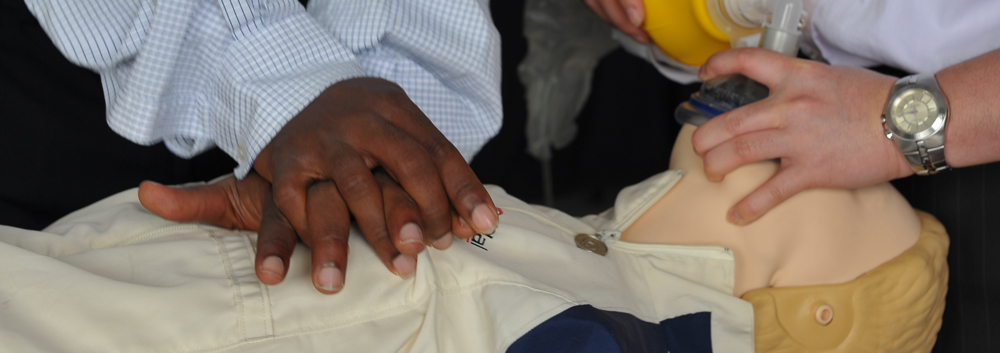
Cardiopulmonary Resuscitation
Basic Life Support (BLS), FB Airway Obstruction, Advanced Life Support (ALS), Paediatric Life Support, Post-Resuscitation Care
Please note there is a new version of the course
This course is an accredited learning activity for 6.5 hours for medical and nursing continuing professional development.
For GPs the course is an accredited CPD activity for the 2023-2025 triennium with ACRRM (Course Code : 28819 : PDP Hours - Advanced Life Support, 3.5 Educational Activity & 3 Reviewing Performance. MOPS Hours - 1 Anaesthetics (Emergency Response), 6 Emergency Medicine and 6 Obstetric & Gynaecology) and RACGP (Course Code : 405179: 3.5 Educational Activity and 3 Reviewing Performance Hours).
Please note that this course is delivered online only and does not have a practical assessment component. It does not meet the RACGP or ACRRM mandatory training requirements for ACLS/CPR for GPs for the 2023-2025 triennium.
Latest course update: January 2024
Designed for medical officers, nurses, paramedics and students in all medical fields.
Management of cardiac arrest is a critical skill for all health professionals. Regular updates are essential for maintaining the knowledge and practical skills required for CPR. In the following modules, we draw upon the most recent Australian Resuscitation Council recommendations to review the approach to the patient with suspected cardiac arrest. For each topic an eTutorial is used to introduce the topic and provides a useful background to work through the clinical case scenario.
The course will specifically review:
1. Diagnosis of cardiac arrest
2. Procedure and algorithm for basic life support
3. Cardiac arrest rhythms
4. Algorithm for advanced life support
5. Procedure for defibrillation
6. Post resuscitation care
7. Managing the patient with foreign body airway obstruction
8. Paediatric cardiopulmonary resuscitation
EDGE24: ENT Emergencies

ENT Emergencies
EDGE 24 Emergency Medicine
Please note there is a new version of this module.
Your EDGE24 modules will count toward your EDGE26 certificate !
There is no requirement to complete any of the EDGE modules a second time. For EDGE24 modules you are not yet enrolled in, you are directed to enrol in the equivalent EDGE26 module and continue your path through the EDGE course. At the completion of all 24 modules you will be able to request an EDGE26 Course Certificate (36 CPD Hours).
EDGE24 Module 24 : ENT Emergencies
Latest Course Update: January 2024

There are a wide range of ENT emergencies and in this module we explore three of the most difficult ENT emergencies; epistaxis, severe tonsillitis / peritonsillar abscess (quinsy) and bells palsy.
Severe tonsillitis is a common presentation and after ensuring there is no threat to the airway may be effectively managed medically in most cases with significant relief of the patient's symptoms. In the patient with bells palsy the focus is often excluding other causes for facial palsy, prevention of eye injury and considering the role of pharmacological management.
Epistaxis can range from the trivial self-limited nose bleed to bleeding that results in life-threatening airway obstruction and circulatory shock. In this final module in the EDGE24 course our case simulation explores in detail the aetiology, assessment, investigation and management of epistaxis with the aim of making you more confident to approach and manage the patient presenting with epistaxis.
Accreditation
A "Course Certificate" for 36 CPD hours can be requested upon completion of all 24 modules. The course is CPD accredited for the 2023-2025 triennium with ACRRM (Course Code : 28766) and RACGP (Course Code : 403496: 24.5 Educational Activity and 11.5 Reviewing Performance Hours).
EDGE24: Introduction to Eye Emergencies

Introduction to Eye Emergencies
EDGE 24 Emergency Medicine
Please note there is a new version of this module.
Your EDGE24 modules will count toward your EDGE26 certificate !
There is no requirement to complete any of the EDGE modules a second time. For EDGE24 modules you are not yet enrolled in, you are directed to enrol in the equivalent EDGE26 module and continue your path through the EDGE course. At the completion of all 24 modules you will be able to request an EDGE26 Course Certificate (36 CPD Hours).
EDGE24 Module 23 : Eye Emergencies
Latest Course Update: January 2024

Eye emergencies are common presentations to acute care. The causes may vary from minor eye irritation through to severe eye threatening disease or injury. Unless we have had the opportunity to undertake training in this topic the assessment and management of eye emergencies can be very challenging and perhaps a little bit frightening ("What am I missing ?").
In this module we set about building the foundation to assessing and treating eye emergencies in clinical practice. We begin by exploring the assessment of the patient presenting with an eye related problem highlighting the red flags that assist to identify patients at risk for serious eye disease and discuss in detail the emergency examination of the eye. In the Case Simulation we examine the differential diagnosis for the red eye and follow a number of clinical cases of patients presenting with the complaint of a (painful) red eye.
Accreditation
A "Course Certificate" for 36 CPD hours can be requested upon completion of all 24 modules. The course is CPD accredited for the 2023-2025 triennium with ACRRM (Course Code : 28766) and RACGP (Course Code : 403496: 24.5 Educational Activity and 11.5 Reviewing Performance Hours).
EDGE24: Introduction to Lower Limb Orthopaedic Trauma

Lower Limb Orthopaedic Trauma
EDGE24 Emergency Medicine
Please note there is a new version of this module.
Your EDGE24 modules will count toward your EDGE26 certificate !
There is no requirement to complete any of the EDGE modules a second time. For EDGE24 modules you are not yet enrolled in, you are directed to enrol in the equivalent EDGE26 module and continue your path through the EDGE course. At the completion of all 24 modules you will be able to request an EDGE26 Course Certificate (36 CPD Hours).
EDGE24 Module 22 : Lower Limb Orthopaedic Injury
Latest Course Update: January 2024
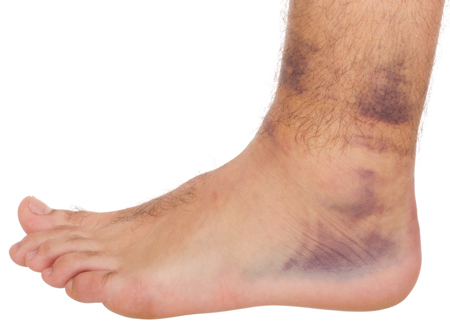
In this topic we continue our journey of discovery through bony and soft tissue limb injury - this time focusing on injuries to the lower limb.
We consider severe orthopaedic injuries such as fractured neck of femur and fractured femoral shaft, limb threatening injuries such as fractured tibia and fibula with the significant risk of compartment syndrome and the common soft tissue injuries around the ankle including "ankle sprain" and ruptured achilles tendon noting that these apparently less severe injuries unless diagnosed and treated correctly can lead to long term disability for the patient.
Accreditation
A "Course Certificate" for 36 CPD hours can be requested upon completion of all 24 modules. The course is CPD accredited for the 2023-2025 triennium with ACRRM (Course Code : 28766) and RACGP (Course Code : 403496: 24.5 Educational Activity and 11.5 Reviewing Performance Hours).
EDGE24: Introduction to Upper Limb Orthopaedic Trauma

Upper Limb Orthopaedic Trauma
EDGE 24 Emergency Medicine
Please note there is a new version of this module.
Your EDGE24 modules will count toward your EDGE26 certificate !
There is no requirement to complete any of the EDGE modules a second time. For EDGE24 modules you are not yet enrolled in, you are directed to enrol in the equivalent EDGE26 module and continue your path through the EDGE course. At the completion of all 24 modules you will be able to request an EDGE26 Course Certificate (36 CPD Hours).
EDGE24 Module 21 : Upper Limb Orthopaedic Injury
Latest Course Update: January 2024
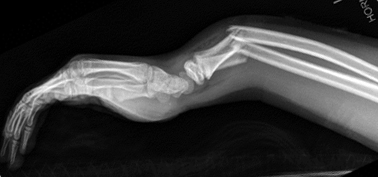
Acute Orthopaedic injury is a common emergency presentation. It occurs across all age groups with injuries ranging from minor through to limb or even life threatening.
In this module, we begin our exploration of this topic by examining the clinical and radiological assessment of the patient presenting as a consequence of an orthopaedic injury and then focus our attention of the presentation, diagnosis and treatment of a number of common and serious upper limb fractures..
Accreditation
A "Course Certificate" for 36 CPD hours can be requested upon completion of all 24 modules. The course is CPD accredited for the 2023-2025 triennium with ACRRM (Course Code : 28766) and RACGP (Course Code : 403496: 24.5 Educational Activity and 11.5 Reviewing Performance Hours).
EDGE24: Introduction to the Principles for Managing Acute Pain

Approach to Managing Acute Pain
EDGE24 Emergency Medicine
Please note there is a new version of this module.
Your EDGE24 modules will count toward your EDGE26 certificate !
There is no requirement to complete any of the EDGE modules a second time. For EDGE24 modules you are not yet enrolled in, you are directed to enrol in the equivalent EDGE26 module and continue your path through the EDGE course. At the completion of all 24 modules you will be able to request an EDGE26 Course Certificate (36 CPD Hours).
EDGE24 Module 20 : Acute Pain Management
Latest Course Update: January 2024
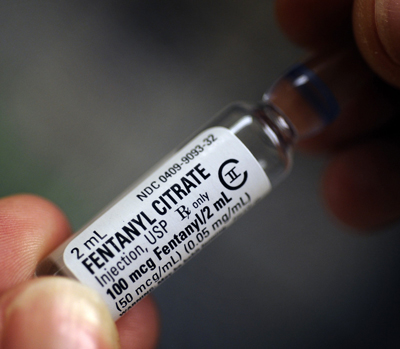
Although the relief of acute pain is the most common reason that patients seek emergency care, research studies have documented that acute pain is frequently poorly managed in the ED setting. There is often a complete failure to provide any form of analgesia in a timely manner and even when analgesia is provided it is often ineffective due to either poor drug selection, inappropriate route of administration or inadequate dosing.
This module draws on our current understanding of the pathophysiology of pain and takes a clinical approach that focuses on the assessment of acute pain and explores strategies for managing pain, selection of agents and principles for continuing pain management.
Accreditation
A "Course Certificate" for 36 CPD hours can be requested upon completion of all 24 modules. The course is CPD accredited for the 2023-2025 triennium with ACRRM (Course Code : 28766) and RACGP (Course Code : 403496: 24.5 Educational Activity and 11.5 Reviewing Performance Hours).
Accreditation
A "Course Certificate" for 36 CPD hours can be requested upon completion of all 24 modules. The course is CPD accredited for the 2023-2025 triennium with ACRRM (Course Code : 28766) and RACGP (Course Code : 403496: 24.5 Educational Activity and 11.5 Reviewing Performance Hours).